
What changes in 2027
Starting with the 2027 WNBA season, a team can give the Core designation only to an eligible free agent with six or fewer credited Years of Service. Once a player earns her seventh year, the team cannot designate her in the Core window after that season. Six is on the eligible side of the service cutoff. A club still needs a player who meets the other rules, an available designation slot and enough room for the qualifying offer. Signed 2026 WNBA collective bargaining agreement, Article VI, Section 7.
A valid designation gives the prior team exclusive WNBA negotiating and signing rights while the designation is in force. The club has to send a formal notice and a Core Qualifying Offer. A player can sign that offer or negotiate a different deal with the team under the agreement. Read a report that someone was cored as a change in who can negotiate with her. The next transaction may show an accepted offer, a separately negotiated contract or the end of the designation.
The WNBA and its players' union announced that they had signed the long-form agreement on May 22, 2026. The provisions in it distinguish the 2026 offseason from the rule that begins with the 2027 season. That matters when looking at a player's career history. A team may have used the designation on her last spring and still be unable to use it going into the next season. Look for the year of the transaction and the service rule for that year before assuming something unusual happened. Official announcement of the signed agreement.
Three questions help when a player name starts circulating. Has her prior contract ended in a way that makes her eligible? Does her team have its Core slot and cap room available? Has the team issued the notice and offer? Plenty of offseason coverage stops at the first question. The other two explain why a plausible candidate can reach free agency without a designation. Follow the 2027 WNBA season coverage for broader offseason developments.
Who can be cored under the new CBA
The service ceiling is one part of the eligibility check. Article VI starts with someone who would otherwise qualify as a veteran unrestricted or restricted free agent. Then it asks whether the club holds the right to issue the designation and whether the player satisfies the service limit. A player who still has a contract covering 2027 has a different status from an unsigned veteran entering free agency. The service limit comes into play when a team seeks to issue a new designation. Signed WNBA–WNBPA CBA, Article VI, Section 7.
Count credited service before the offseason
A credited Year of Service is a contractual measure. Under the ordinary rule, a player on a standard WNBA contract who spends at least part of the regular season on a team’s active list can receive a credit for that season. The CBA awards that credit after the season and caps it at one year per season. A trade during the season can change the team listed beside the player’s name while leaving her with a single year of credit for that season. Playing a small number of games can still qualify if the underlying contract and roster status meet the rule.
Consider two otherwise eligible veterans who each complete a qualifying 2026 season. The first started that year with five credited years and enters the 2027 offseason with six. Her previous team can still consider a designation if it has a slot. The second started with six and now has seven. Her previous team has to pursue a new deal through the applicable free-agent process.
Look at transaction history when the count is close. A season spent only on short-term seven-day deals or a development contract can receive different treatment under the definition. Replacement contracts that cover fewer than seven games have their own exception. A statistics page helps identify the seasons worth checking. A dated roster transaction or an official service figure can answer questions the box scores leave open. CBA definition of a Year of Service.
How the older Core-service limit fits in
The previous system also tracked how many seasons a player had played under a Core Player Contract. Those seasons were a separate count from how many times a team had formally designated her. The WNBA’s 2022 free-agency list described a two-season bar, and Exhibit 4 of the new agreement records players’ historical Core service through the 2025 season. That chart can help explain why a past transaction took the form it did. WNBA’s 2022 free-agency rules and CBA Exhibit 4.
For a 2027 eligibility call, go back to the season-specific language in Section 7. Its sentence about two past Core seasons applies to the designation window before the 2026 season. The next sentence addresses the window beginning before 2027 and sets the ceiling at six credited Years of Service. The historical chart can establish past Core service. The 2027 clause and the player’s total credited service are the relevant starting points for a new designation. CBA Article VI, Section 7(b).
What a Core offer does and how the team slot works
The Core designation changes both the player’s negotiating position and the team’s cap planning. During the standard January 30 through February 3 window, the prior team sends a formal Core Player Designation Notice with a qualifying offer attached. While the designation applies, that team alone can negotiate or sign a WNBA player contract with her. Eligibility gives the club the option to make that move. The notice and offer are how it exercises the option. CBA Article VI, Section 7(c).
The one-year qualifying offer
The accompanying offer is for one year at the maximum salary applicable to a Core player, with base pay protected for skill, injury and illness. For a Core agreement with the prior team, the applicable maximum is the supermax, set at 20 percent of the salary cap for that year. In 2026, the cap was $7 million, so the supermax was $1.4 million. The 2027 amount uses the cap for the 2027 salary-cap year. CBA qualifying-offer definition, maximum salary rules and WNBA first-year cap figures.
The team needs enough cap room to make that offer, and the salary in its outstanding Core offer counts toward team salary while it is outstanding. Starting February 4 under the standard CBA calendar, the player can accept the attached offer or negotiate with her prior club. If both sides prefer a different structure, they can agree to another contract subject to the CBA. At the designation stage, the team has presented a specific contract the player can accept. The issue of the notice alone leaves open which terms, if any, appear on the deal she eventually signs. CBA negotiation rules and team salary calculation.
One designation slot per team
Each team has one Core slot. A contract signed while a player was designated can keep that slot occupied in later seasons. Take a club that designated a player in 2026 and agreed to an original deal covering 2026 and 2027. If she is still playing for that team under the original term, she can occupy its slot going into 2027. Even if she just earned her seventh Year of Service, the new age-of-service threshold governs the club’s ability to issue a new designation. The original deal continues according to its terms.
Check the original end date and the nature of any subsequent transaction. A player could sign an extension and remain under contract after the slot becomes available again, because extension seasons themselves do not count under the slot provision. Assignment of the contract to another team also ends the original club’s designation. As a result, the same roster can feature a former Core player under contract and a different player designated that winter. CBA Article VI, Section 7(a) and (d).
When exclusive rights end
March 21 is the standard last day to accept the qualifying offer if it remains outstanding. The club can withdraw it through March 1. From March 2 through March 21, withdrawal requires the player’s written agreement. The club’s exclusive rights can continue after an unaccepted offer expires. If a player is still unsigned on April 1, look for a separate record that ends the designation before assuming another team can negotiate with her. CBA Article VI, Section 7(e).
For an unsigned player, the relevant events include withdrawal of the offer, formal renunciation after the offer expires, retirement or November 30 of the applicable salary-cap year. Withdrawal normally opens unrestricted free agency. The CBA also lets the prior team preserve a right of first refusal in specific cases by tendering a timely restricted offer. Once a player has signed, the original term’s expiration, contract termination, assignment, retirement and a specified suspension are among the events to check. The timing tells you whether the team still has exclusive rights or can use its slot again. CBA Article VI, Section 7(d)–(g).
How Core differs from restricted and reserved rights
A club can have three different kinds of rights over unsigned players at the same time. The Core slot concerns the right to negotiate exclusively with one eligible veteran and comes with the supermax qualifying offer. Restricted free agency normally gives the prior club a chance to match an outside offer. Reserved rights give the prior club exclusive negotiating rights over certain players who qualify under a separate section of the agreement.
For a common restricted example, take a veteran with four credited years who receives a timely qualifying offer from her prior club. The team holds the right of first refusal. The CBA also lays out a tender process for drafted players completing a rookie-scale fourth-year option. A restricted player can talk with another club and sign a formal offer sheet if that team makes an eligible offer. For example, a two-year offer sheet gives the prior club until 5 p.m. Eastern on the fourth day after receipt, including weekends and holidays, to exercise its right. If it matches and meets the cap requirement, the player comes under contract with the prior club on the applicable terms. If the club declines or its time runs out, the outside offer can become her new deal. CBA Article VI, Section 5 and Section 6.
Reserved rights usually concern a veteran with three or fewer credited years or someone who finished the previous regular season on a player development contract. The previous club needs to tender a timely reserved qualifying offer to keep the exclusive negotiating right. The offer uses the applicable minimum salary. For example, a two-year veteran who qualifies and receives the reserved tender can negotiate with her prior team without the club spending its one Core slot. If the club skips the required tender, the player can enter unrestricted free agency after the moratorium under the reserved-player rule. CBA Article VI, Section 8 and qualifying-offer terms.
For a typical veteran with five or more credited years, unrestricted free agency is the starting point when the contract ends and the moratorium passes, subject to a valid Core designation where the player is still eligible. A roster page can confirm who played for a team that year. A transaction notice tells you which rights, if any, the team actually exercised. If you begin with a player’s season history, find the corresponding club announcement before treating the prior club as the only possible destination. CBA Article VI, Section 9 and WNBA player finder.
What the rule means for recognizable veterans
The 2026 offseason offers two examples. Minnesota and Indiana used the Core designation on veterans and later announced that those players had re-signed. The signings confirmed where both would play in 2026. To see which options the teams have for 2027, check the term of the contract and apply the six-year ceiling in effect for the new window.
Napheesa Collier and Kelsey Mitchell
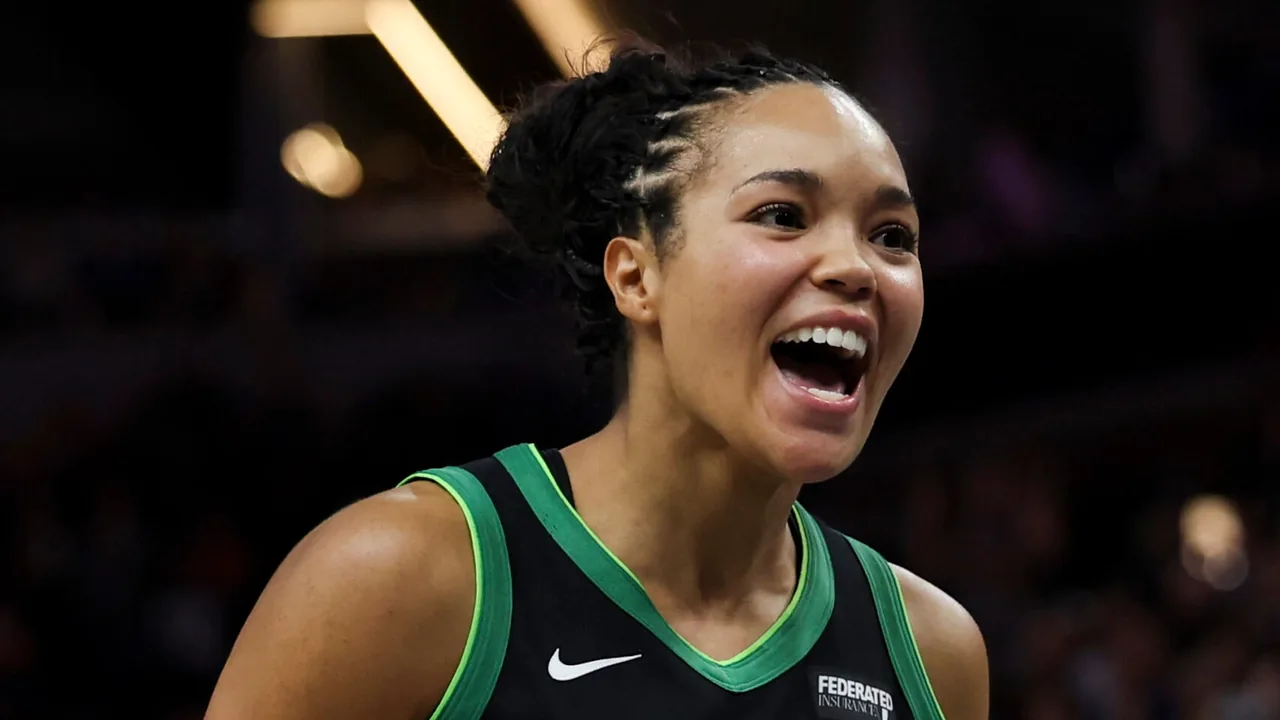
Minnesota drafted Napheesa Collier in 2019 and designated her in the 2026 offseason. The Lynx announced her return in April, and the team’s game notes record a one-year contract signed April 16. It was her eighth WNBA season, all with Minnesota. Her service history puts her beyond the 2027 Core limit. When that one-year term ends, the Lynx can seek another agreement with Collier without the exclusive negotiating rights a new Core notice would have supplied. WNBA’s 2026 offseason recap, Lynx game notes and Minnesota schedule and results.
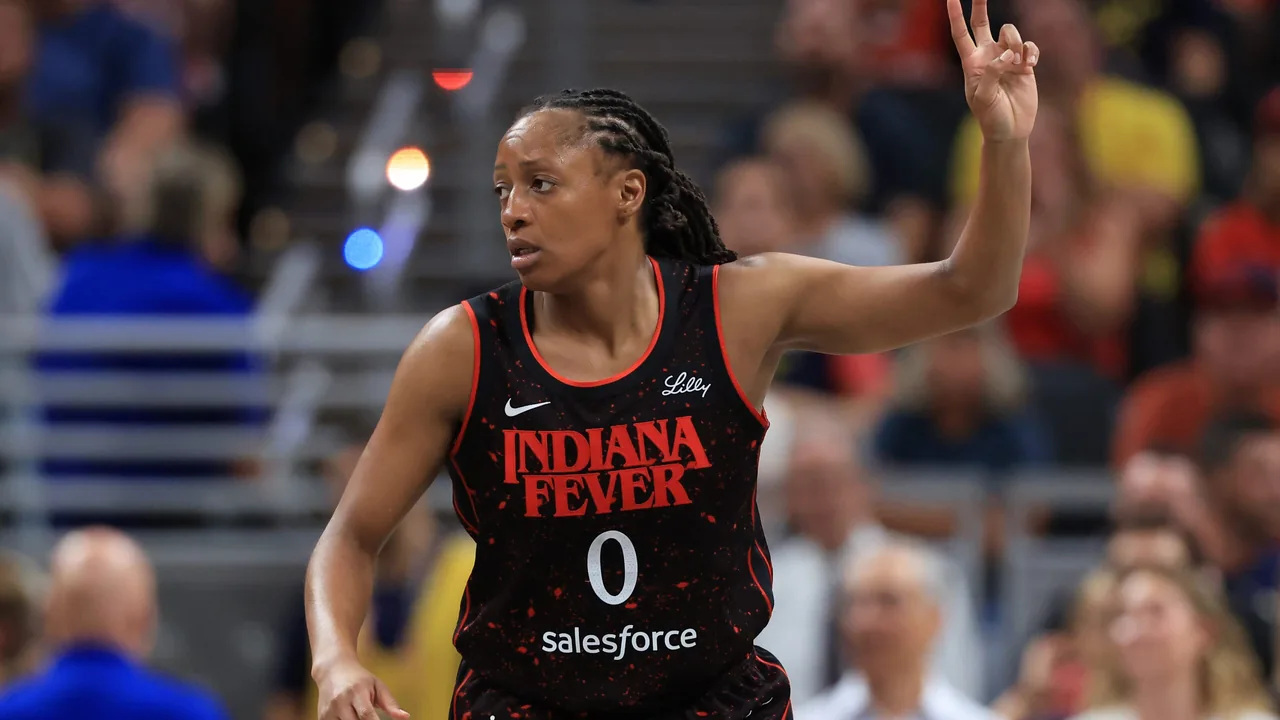
Indiana took Kelsey Mitchell second overall in the 2018 draft. The WNBA listed her as cored in April 2026, and on April 11 the Fever announced that she would return for her ninth season with the club. Indiana’s release confirmed the agreement without specifying its length. If she enters the next market as a free agent, her credited service puts another Core designation beyond Indiana’s options. The date and terms of any later signing still depend on the transaction record. WNBA’s 2026 free-agent list, Fever re-signing announcement and Indiana schedule and results.
The 2026 transactions took place on a special April calendar that the league and union agreed to for that year. The CBA’s standard January and February dates govern the timing described here for a new designation. Keep the year attached to any transaction headline, especially one that still ranks in search when the next offseason starts. WNBA announcement of the 2026 dates.
How to read the next transaction update
Start with the last confirmed contract. A team release announcing a signing can establish that a player has returned while leaving the term undisclosed. If the player may be entering free agency, check credited service, whether the prior club’s slot is available, and whether the club actually issued a Core notice. For a player with six credited years, those steps can distinguish a genuine designation from a prediction that the team will use its slot.
When a veteran with seven or more credited years enters free agency, read her former club’s re-signing announcement as evidence of an agreement, even if the team used a Core notice for her in a previous year. A qualifying veteran free agent with at least five credited years can still be eligible for a supermax contract from her prior club through the separate salary rule, if she meets its team-history conditions. That makes a published salary figure insufficient by itself to establish whether a player was cored. For the 2027 market, the signed agreement governs eligibility, and dated team and league records show what actually happened. CBA maximum salary eligibility and official WNBA transactions.
Sign in with Google to join the discussion.