
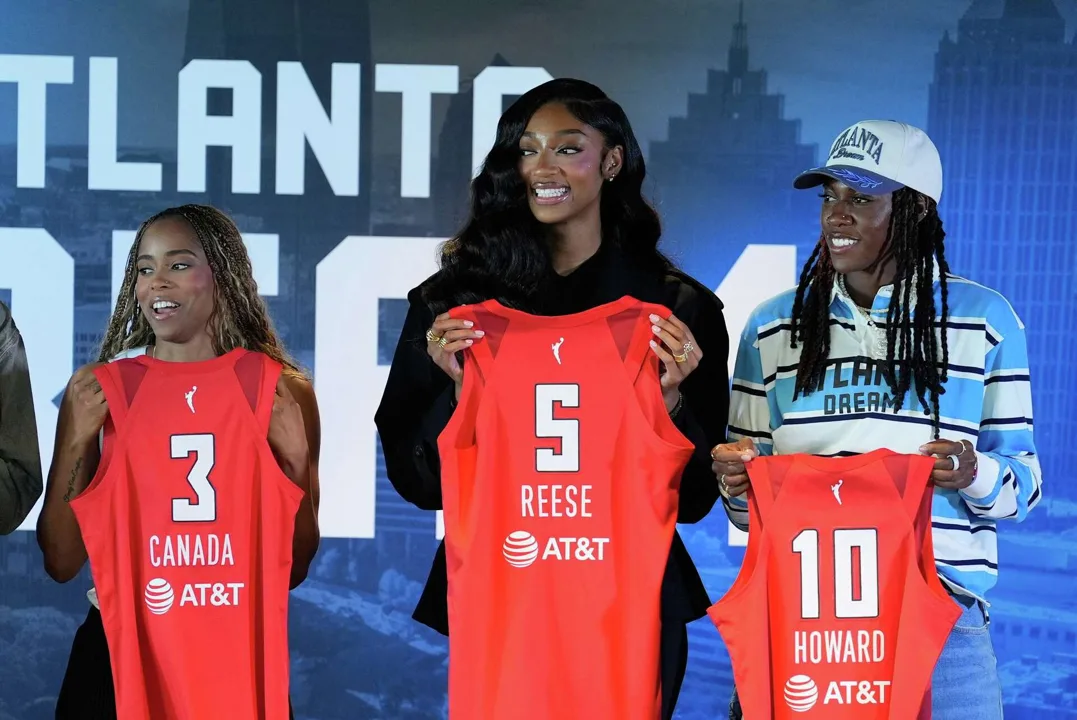
The Dream and Valkyries reached the 2026 WNBA Finals through different combinations of continuity and outside additions. Atlanta added Angel Reese to an established group. Golden State built on its expansion foundation while adding major free agents, including Gabby Williams. Neither team can be explained by one transaction or by treating everyone in its October rotation as an original draft pick.
Start with the October teams, not the spring transaction list
This account follows the teams competing in the Finals as of October 27, 2026. The series remains ongoing, so reaching this stage should not be confused with winning the championship. The question here is how important pieces arrived and fitted together, rather than who will win the next game.
The WNBA's October Finals preview identifies the players and roles shaping the matchup. It includes established Atlanta players alongside Reese and later addition DeWanna Bonner, and Golden State's mix of Williams, Veronica Burton, Kayla Thornton, Janelle Salaun, Tiffany Hayes and Kiah Stokes. That October context is more useful for this story than assuming a roster announcement made before the season remained unchanged.
A transaction announcement answers how a player joined an organization. A current game report answers a different question: how that player is contributing now. An injury update adds another distinction, because a player can belong to a roster while being unavailable for a particular game. Keep those categories separate when tracing a Finals team.
An acquisition label is not a complete development history
There are several stages between identifying talent and using it in a championship series. A club may select a player's rights, negotiate a contract, retain her for another season and then change her role. Another player may arrive with extensive experience and still need to learn a new system. The route into the organization is important, but it is not a complete account of the work afterward.
For Golden State, this means separating the expansion draft from subsequent free agency and the ordinary college draft. For Atlanta, it means separating the Reese trade from the players already in place and the later moves that supplemented them. Our 2026 WNBA transactions guide explains those transaction labels. The individual cases below show how the different routes combined on these two teams.
Atlanta added Angel Reese to a core it already had
Atlanta's biggest new acquisition did not arrive to an empty roster. The organization had established guards, a point guard familiar with its offense and a group it chose to keep together. That context makes the Reese move a case of adding a major skill set to an existing structure, rather than starting a team from scratch.
What the Dream gave Chicago in the April 6 trade
The Dream's April 6 announcement sets out the exchange: Atlanta sent its 2027 and 2028 first-round picks to Chicago for Reese. Atlanta also received the right to swap second-round picks with Chicago in 2028. That last direction matters. The swap was a right Atlanta received, not an additional first-round pick or an automatic transfer of another player.
For Atlanta, the cost was future opportunity. Those first-round selections could no longer be used by the Dream to choose players or pursue another trade. For Chicago, the return created future selections rather than a direct replacement for Reese in the same transaction. The fact that Atlanta reached the Finals does not make those future picks costless or tell us where they will land.
Reese brought an established rebounding identity. The trade was a commitment to use that strength within a team that already had perimeter scoring and ball handling. Its value depends on the fit between those jobs, not merely on adding another recognizable name. Evaluating the move requires asking what she enabled alongside the existing players and what the club surrendered to obtain her.
Howard, Gray and Canada were not part of that trade
Rhyne Howard's Atlanta path began with the first overall selection in the 2022 Draft. Allisha Gray arrived from Dallas in a January 2023 trade. Jordin Canada was already part of Atlanta's group before Reese joined. Those are distinct routes and dates; treating the whole backcourt as a package acquired with Reese obscures how the team was assembled.
On April 11, the Dream announced the return of Gray, Canada and Howard, along with Brionna Jones and Naz Hillmon. Retaining those players was a roster decision in its own right. An established core still needs contracts and a reason to continue together; continuity does not happen merely because a previous season ended with those names on the roster.
The distinction is visible in October. Howard supplies an established perimeter presence, Canada organizes possessions, and Reese adds a different frontcourt dimension. Gray's availability is a separate game-by-game issue. The resulting team combines years of prior construction with a major 2026 addition. Neither its history nor its present responsibilities can be reduced to the April trade alone.
Golden State's expansion foundation survived through change
Golden State began playing in 2025, but the first major roster-building event occurred before that season. On December 6, 2024, the Valkyries made 11 selections in the expansion draft. Those choices provided a starting group of players and rights from existing organizations. They did not freeze the club's identity for every subsequent season.
Expansion selections were a starting point
Veronica Burton came from Connecticut's unprotected pool and Kayla Thornton from New York's. Both appear in the official expansion results. Their paths demonstrate why an expansion selection is different from choosing a college player in the regular draft. Golden State was obtaining access to players with prior professional histories, not assigning an entire team a common rookie background.
Burton's role handling the ball and Thornton's forward responsibilities also show why a player list needs more than a source-team column. A new organization can offer a different opportunity from the one available in a previous rotation. The selection creates that opportunity; the player and coaching staff still have to turn it into a productive role.
Iliana Rupert was another original selection, from Atlanta. Her route connects the two Finals organizations without making this a direct Dream-Valkyries trade. The mechanism was the expansion process. Our expansion-draft guide explains why selecting rights and signing or activating a player should not be treated as the same step.
Re-signing and retaining players are active roster decisions
The Valkyries' official 2026 offseason tracker records Burton's return on April 11 and Thornton's on April 13. Those decisions preserved important pieces after the inaugural season. Keeping a player requires an affirmative choice about fit and commitment, just as acquiring an outside player does. It belongs in an explanation of the 2026 team even though it generates a less dramatic headline.
Janelle Salaun illustrates a separate route within the returning group. Golden State signed her in February 2025; she was not on the original expansion list. The team then announced a new multiyear agreement with her in April 2026. Calling every returning Valkyrie an expansion-draft pick would erase that difference.
The resulting foundation is therefore layered: original selections, other inaugural-season additions and subsequent retention. Some early names moved on, while others became central to the next version of the team. A useful account follows those decisions individually instead of using the word expansion as if it described how every member of the Finals group was acquired.
Gabby Williams and other free agents changed the Valkyries' options
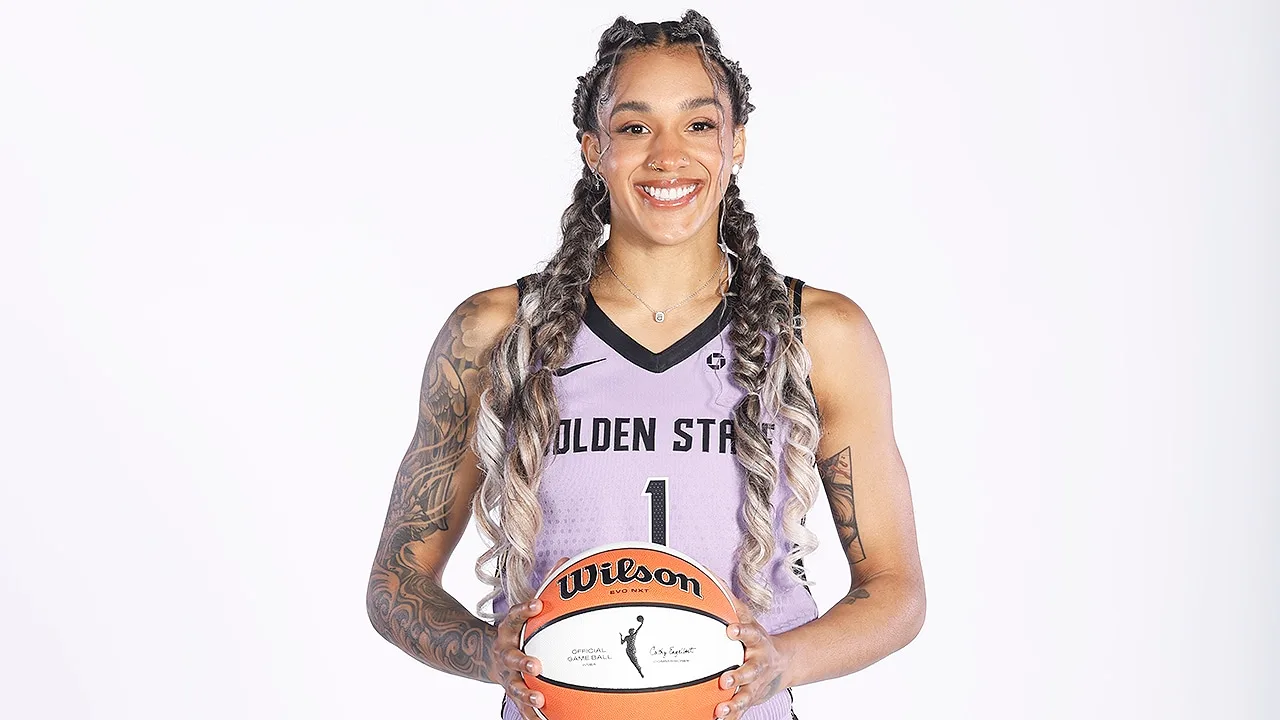
Gabby Williams joined Golden State through free agency in April 2026. The April 12 entry in the team's official offseason tracker confirms a multiyear agreement. She was not one of Golden State's original expansion selections, and this was not a trade in which Seattle received players or picks from the Valkyries.
That route changes the construction story. Golden State had already shown potential in its first season, then added an experienced perimeter player to its returning group. Williams brought a different level of individual responsibility alongside Burton and the existing wings. Her presence could be combined with their skills rather than requiring every original player to disappear from the plan.
Kiah Stokes was another outside addition. The Valkyries announced her multiyear signing on April 13. Her interior responsibilities complement the perimeter work of Williams and Burton. That combination matters because a team defending the ball on the outside still needs someone behind the first line of pressure. Adding a guard or wing and adding a center solve different parts of the same possession.
The distinction between acquisition and present use is visible in Golden State's October 24 Finals report. Stokes remained part of the defensive effort, while Hayes moved into the starting lineup. The signing dates establish how the players arrived or returned; the game report shows how the coach was using them during the series.
Hayes also provides a reminder that a veteran's return belongs beside new signings in a roster account. Golden State re-signed her in April rather than acquiring her as a new 2026 expansion pick. A new star, an experienced center and an established scoring option offer different kinds of flexibility. The practical question is how the coach can combine those options against a particular opponent, not which transaction produced the loudest offseason reaction.
Roster construction also happens through coaching and availability
A club can continue changing after its major offseason decisions. Atlanta's late-August addition of DeWanna Bonner is an example. The Dream announced a rest-of-season agreement, adding an experienced option after the core and Reese were already in place. A spring-only account would miss her role in the October team.
Her arrival also illustrates the difference between building for a season and building for a particular series. A veteran can supply another lineup combination or an experienced decision-maker without replacing the original identity of the group. The coach still has to determine where those skills fit and which combinations make sense against the opponent.
Availability can then change those plans. Gray missed Atlanta's final two semifinal games, and Canada took on more scoring responsibility in that completed round. Our semifinals analysis covers how Atlanta advanced. That historical adjustment does not establish Gray's availability for every later game, but it shows why a roster's usefulness includes the ability to redistribute responsibilities.
A series rotation is different from a full roster
Natalie Nakase's Game 4 decision to start Hayes supplies a concrete Golden State example. Hayes did not become a new acquisition because she entered the starting five. The coach changed how an existing player was deployed. Similarly, a player spending more time on the bench has not necessarily been removed from the roster or lost every possible role in the series.
For Karl Smesko and Nakase, the available combinations are part of the roster's value. One lineup may prioritize ball handling; another may need size, switching or a different scoring option. Those decisions depend on the opponent and the game, so an acquisition summary should not be read as a permanent depth chart.
When following the next contest, distinguish three items: who is under contract, who is available that day and who actually plays in a particular combination. A signing announcement helps with the first. Current team information helps with the second. The game supplies the third. Keeping those questions separate makes a roster-building story more useful than a list of names copied from training camp.
What these two paths teach you about building a contender
Atlanta's sequence begins with an established foundation and moves through a major trade, retention and a late veteran addition. Golden State's begins with expansion selections, adds other inaugural-season players, keeps important pieces and then brings in new free agents. The similarities are flexibility and attention to fit; the transaction mixes are different.
| Roster-building question | Atlanta example | Golden State example |
|---|---|---|
| Who was already part of the foundation? | Howard, Gray and Canada | Burton, Thornton and other returning players |
| What major outside addition changed the options? | The Reese trade | The Williams signing |
| How was experience added or preserved? | Bonner's late-season arrival | Stokes joining and Hayes returning |
| What can change during a series? | Responsibility when a scorer is unavailable | Starting and bench combinations |
These examples do not establish that every team should copy the same move. Atlanta paid future draft capital for Reese; another organization may need those selections for a different stage of its development. Golden State's free-agent choices depended on available players, mutual interest and the roles it could offer. A successful result does not eliminate those conditions.
It is also important to separate a franchise seeking its first title from players seeking their first championship. A young organization can employ veterans who have already won elsewhere. That experience becomes part of the new team's resources; it does not give the franchise a championship before it wins the deciding series.
For fans, the best questions are concrete. Which job did an acquisition fill? Who had to change responsibilities? What was the opportunity cost? Did the team keep enough alternatives when a player was unavailable or a matchup required another look? Those questions connect the transaction history with the basketball happening in front of you.
Use the current WNBA game listing for the next matchup and the TV schedule for its broadcast. Then watch the combinations, not only the famous names. Reese alongside Atlanta's established guards and Williams within Golden State's returning framework reveal how a Finals roster becomes more than a set of separate acquisitions. As the series continues, those responsibilities can still change without rewriting where each player came from.
Sign in with Google to join the discussion.