
How these classic WNBA Finals were selected
The 2016 Sparks-Lynx series is our first choice among the best WNBA Finals to revisit, followed by 2024, 2009, 2017, 1999 and 2019. That order is an editorial judgment about memorable championship basketball. It is not an official WNBA ranking or a claim that the winning team in the first series would beat every other champion. The selection considers completed Finals through 2025; the ongoing 2026 championship is outside that boundary.
Three questions guide the choices. Did the competition remain uncertain across the series? Did particular possessions give the matchup an identity that lasts beyond a box score? And did the championship carry historical stakes that help explain why fans still discuss it? A series can be exceptional without every game finishing close, while one unforgettable shot can deserve attention without making the entire matchup the most competitive ever.
The emphasis here is on series worth exploring. That makes this a different exercise from our greatest WNBA teams and dynasties discussion. A dominant sweep may establish greatness more convincingly than a narrow escape, yet provide less sustained uncertainty for a neutral viewer. Likewise, an extraordinary semifinal belongs in a playoff-games conversation, but it does not become a Finals game because its ending was dramatic.
Use the selections as starting points rather than a demand to agree with every position. Each entry identifies what makes the matchup interesting and a game or sequence to revisit. Results are included, so expect spoilers. If you need a complete record of winners instead, our championship history by year serves that task. The pleasure of this list is comparing how different Finals created pressure, from a short early-era series to five-game modern rivalries.
1. 2016: Sparks and Lynx take the title to the final possession
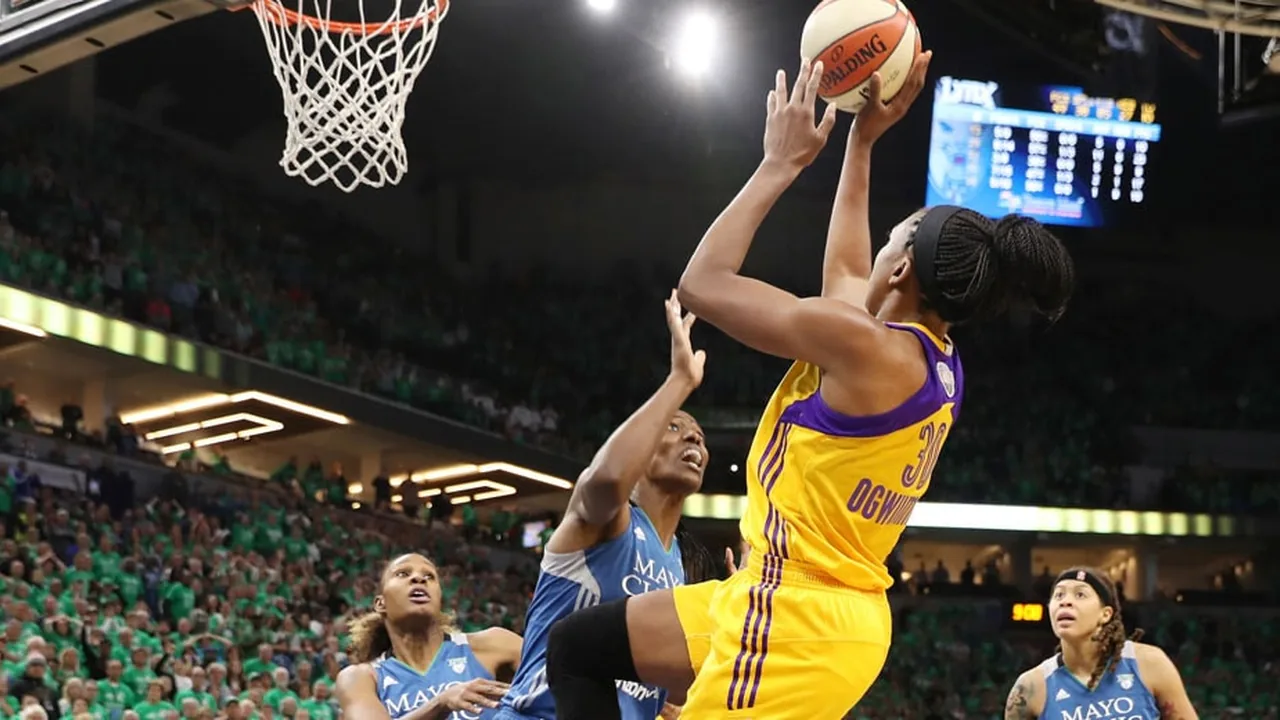
Los Angeles defeated Minnesota 3-2, winning the deciding game 77-76 on the Lynx's home floor. That is a strong starting point for this list: the championship remained unsettled until the final seconds, and both ends of the series produced a defining shot. The contemporary Game 5 recap records Candace Parker's 28 points and 12 rebounds, a performance that helped earn her Finals MVP.
The attraction is how much had to happen before the winner could celebrate. Minnesota could answer a late Los Angeles basket, the Sparks could recover from a missed attempt, and the decisive possession still required a second effort. A championship ending built from successive responses is more revealing than a clip beginning just before the winning shot. It shows how narrow the difference was between finishing a possession and finishing a season.
Start with Game 5, then revisit the opening game
In the closing sequence of Game 5, Maya Moore put Minnesota ahead before Nneka Ogwumike's jumper with 3.1 seconds remaining restored the Sparks' lead. Ogwumike had to keep working after a missed shot and a blocked attempt. The winning basket was not a buzzer-beater: Minnesota still had a final chance. Watch the whole sequence to see why rebounding and recovery mattered as much as the finish itself.
There is also an officiating qualification. The WNBA acknowledged that an earlier Ogwumike basket came after the shot clock expired and should have been reviewed. That mistake belongs in an honest account of the game. It does not describe the final winning jumper, and the official championship result remained Los Angeles's victory.
Then return to Game 1. Alana Beard's 18-foot corner jumper at the buzzer gave Los Angeles a 78-76 win. The supporting cast could decide an opening game just as the stars could decide the finale. Together, those two finishes explain our preference for 2016: a five-game contest with memorable bookends, championship-level resistance and a final possession that rewarded persistence.
2. 2024: Liberty and Lynx deliver two overtime bookends
New York's 3-2 victory over Minnesota combined a long-awaited first championship with a series that repeatedly resisted a simple ending. Games 1 and 5 went to overtime; Game 4 finished with a two-point margin. Those are different kinds of pressure, and together they make this an especially accessible modern starting point for a fan exploring earlier Finals.
Game 1 changes the direction of the series
Minnesota won the opener 95-93 in overtime after trailing by as many as 18 points. The official Game 1 account identifies Courtney Williams's late four-point play as a crucial part of the comeback. Rather than watching only the final attempt, follow the stretch in which a seemingly comfortable lead became a one-possession problem. It explains why the opener became a reference point for the entire matchup.
The result also creates a useful question for the rest of the series: how does a team respond when a game it appeared to control slips away? New York ultimately won the championship, so the comeback was not the final verdict on the Liberty. It was the first reversal in a longer contest. Minnesota's 82-80 Game 4 win then forced the championship back to New York for one more game.
Game 5 gives New York its first championship
The Liberty won the decider 67-62 in overtime, with Jonquel Jones earning Finals MVP. The Game 5 recap describes Leonie Fiebich opening overtime with a three and Nyara Sabally adding a steal and layup. The title was decided through more than the most familiar star names, a useful reminder to follow the entire lineup in a close championship game.
The finish also remains disputed. Breanna Stewart's tying free throws followed a late regulation foul call that Minnesota challenged, and Lynx coach Cheryl Reeve strongly objected afterward. That controversy is part of the series' history and should accompany any celebration of its drama. The recorded outcome is a New York championship; acknowledging the objection does not require inventing a different official result.
For our ranking, 2024 earns its place through its full arc: an improbable opening comeback, a fourth game that prevented a closeout and an overtime decider for a franchise's first title. If you prefer clean execution to tense, difficult possessions, you may rank it lower. If uncertainty and historical consequence are your main criteria, it is a compelling choice near the top.
3. 2009: Mercury and Fever turn an overtime opener into five-game drama
If scoring and changing control are your main criteria, 2009 deserves a place close to the top. Phoenix beat Indiana 3-2, but the Mercury had to recover from a 2-1 series deficit. The WNBA's Game 5 history records a 94-86 championship-clinching win, with Diana Taurasi scoring 26 points. She also earned Finals MVP.
The easiest entry point is Game 1: Phoenix won 120-116 in overtime. That is 236 combined points, and it immediately gives the series a different feel from a low-scoring decider. The score is not proof that nobody defended. It is an invitation to examine how each team kept finding enough offense to answer the other, especially when an ordinary late basket was no longer sufficient to settle the game.
Then resist the temptation to treat the opener as the whole story. Indiana won the next two games and put Phoenix one loss from elimination. A series that begins with such an offensive spectacle can be remembered only for its first night, but the change in the series lead supplies the greater tension. The Mercury had to win twice more; one recovery game would not be enough.
For a revisit, compare Game 1 with Game 5 rather than judging them by the same expectation. The opener offers an escalating exchange; the finale offers the pressure of a result that cannot be repaired by another game. Follow Taurasi and Cappie Pondexter, but also keep Indiana's perspective in view. The eventual champion is only half the reason this matchup works as a classic.
Our third-place selection rewards that combination: a remarkable opening score, an opponent strong enough to take control of the series and a champion forced to answer with consecutive wins. Fans who prioritize one-possession title endings may prefer 2016. Fans who want a five-game story with a spectacular offensive starting point may put 2009 first. Both judgments follow clear, defensible preferences.
4. 2017: Minnesota answers Los Angeles in the rematch
The sequel belongs beside 2016 because it gives the rivalry a second, different ending. Minnesota defeated Los Angeles 3-2, winning Game 5 85-76 at Williams Arena. The WNBA's championship announcement records Sylvia Fowles's 17 points and 20 rebounds in the decider, with Fowles earning Finals MVP. The Lynx secured their fourth title in seven seasons.
The early games were hardly a comfortable path to that result. Los Angeles won the opener 85-84, and Minnesota answered with a 70-68 Game 2 victory. Those contrasting scores show why a rivalry should not be reduced to one preferred pace or one type of finish. Both teams could remain dangerous when the game changed shape.
Los Angeles then took a 2-1 series lead, leaving Minnesota to win the final two games. The repeated pressure matters to our selection. The Lynx were not simply handed an uncomplicated chance to erase the previous year's ending; they had to reach the deciding game before they could change the championship story. Read the two years together and the rivalry becomes a contest of responses rather than a collection of isolated final scores.
Game 5 is the recommended entry point, with special attention to possessions ending in rebounds. Twenty boards from Fowles are a concrete reason to watch what happens after the first shot goes up. Highlight reels naturally favor the made basket, but a rebound can determine whether an opponent gets another attempt or whether your own team has to defend again. A title game offers unusually clear stakes for that less glamorous work.
We place 2017 below 2016 because the earlier decider had the more dramatic final-possession finish. That is a preference, not a dismissal of Minnesota's performance. If you value the complete two-year rivalry, watch the two Game 5s as a pair. The same matchup can produce a title through a recovering jumper one year and through sustained interior work the next, with neither result explaining everything about the other.
5. 1999: one impossible shot forces Houston to play again
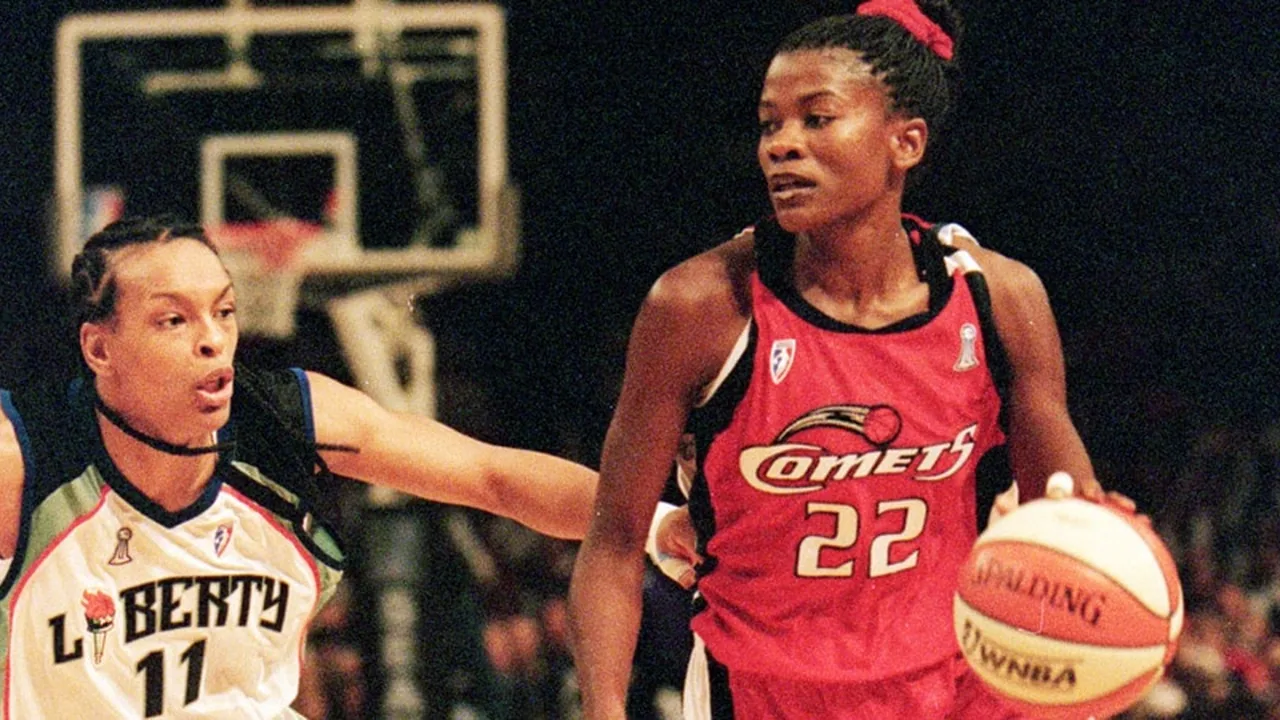
The 1999 Finals belong here for a moment that can make a new fan care about a much older matchup. Houston defeated New York 2-1, but Teresa Weatherspoon prevented a sweep with a shot from beyond halfcourt at the end of Game 2. The Liberty won 68-67 on September 4, having trailed by as many as 18 points. The WNBA's oral history supplies the context that a short highlight cannot.
Tina Thompson's basket had put Houston ahead with 2.4 seconds left. With no timeout, New York had to inbound and move. Weatherspoon's banked heave transformed what appeared to be the closing seconds of a championship celebration into the beginning of another game. The appeal is immediate, but the comeback leading to that final possession is part of the achievement too. A shot can only save a game if the earlier work has brought it within reach.
Why The Shot did not win the championship
It forced a deciding game; it did not award New York the title. The Finals were best-of-three, and Houston won Game 3 to secure a third consecutive championship. Remembering those two outcomes together preserves both achievements: New York produced an extraordinary escape, and Houston still completed the series victory. The most famous image and the ultimate winner need not belong to the same team.
That is also why 1999 sits below the longer five-game contests in this selection. It has a defining moment of exceptional historical importance, but the full series offers fewer nights of unresolved competition. If your main criterion is an unforgettable single play, move it higher. If you want the broadest sustained series tension, start elsewhere and return to this one with the early league context in mind.
Our timeline of the WNBA's early years helps place Houston and New York within that period. Begin with Game 2, then learn how the decider ended. It is a better historical habit than letting one extraordinary shot stand in for an entire championship.
6. 2019: Mystics and Sun play five games for a first title
The 2019 Finals offered a different historical prize: whichever team won, a franchise would become champion for the first time. Washington ultimately defeated Connecticut 3-2, closing with an 89-78 Game 5 victory. The league-hosted championship recap records Emma Meesseman's 22 points and Elena Delle Donne's 21 in the deciding game.
Connecticut had kept the series alive by winning Game 4, 90-86. That is an important part of the selection: the Sun did not exist merely as the opponent in Washington's eventual celebration. They created the need for the last game, and the championship remained available to either club when it began. A first-title story gains its tension from the other team having the same opportunity.
Game 5 is the best starting point, particularly the transition into its final quarter. Washington outscored Connecticut 27-14 in the fourth. The 11-point final margin can make the result look comfortable when encountered years later in a list, but that closing period explains how the separation was created. Watch the score at the start of the quarter, then follow the possessions that produced the eventual gap.
Meesseman's Finals MVP award also makes the series useful for a fan learning to look beyond conventional starting-lineup expectations. A reserve's contribution can become central to the championship story. Rather than treating the award as a surprising footnote, make her minutes and shot opportunities part of what you follow when revisiting the finale.
We rank 2019 sixth within this particular selection because it lacks the single defining last-second image that gives some earlier entries their immediate appeal. It still offers five-game uncertainty, two teams pursuing a first title and a decisive closing stretch worth examining. If you prefer a championship built through a full final-quarter response to one ending with a single impossible attempt, this matchup may be the one you return to most often.
Choose a game to revisit and keep historical formats in view
Start with the kind of basketball story you want, then expand to the surrounding games. For a short route through this selection, use these entry points:
- 2016 Game 5: final-possession pressure, second chances and the difference between a winning shot and a buzzer-beater.
- 2024 Game 1, then Game 5: a major comeback followed by an overtime championship decider.
- 2009 Game 1: a 120-116 overtime opener that leads into a longer five-game contest.
- 2017 Game 5: Fowles's rebounding and the second ending of a great rivalry.
- 1999 Game 2: The Shot, followed by the essential reminder that Houston won the series.
- 2019 Game 5: a first championship created through a decisive fourth quarter.
Search official league and team channels using the year, both teams and game number. The WNBA history hub links earlier playoff archives, while official historical features often include video clips. Check whether a result is a full game, condensed game or short highlight before planning your viewing. A clip can explain a famous possession without showing the full sequence that created it. Availability and access terms can change; this guide does not promise every historical game is currently available in full or free.
Keep formats in view as well. The 1999 matchup was best-of-three, the five-game era began in 2005, and the league expanded the Finals to best-of-seven beginning in 2025. A deciding Game 3 in one era can carry the same championship stakes as Game 5 in another. Judge tension by the series situation rather than assuming a lower game number means less importance.
For upcoming competition, use the current WNBA TV schedule. For this historical list, let the first game you choose determine the next: follow the rival, the supporting player or the earlier possession that made you curious. The rankings are an invitation to explore the championship's different eras, with enough context to appreciate why the endings still matter.
Sign in with Google to join the discussion.